
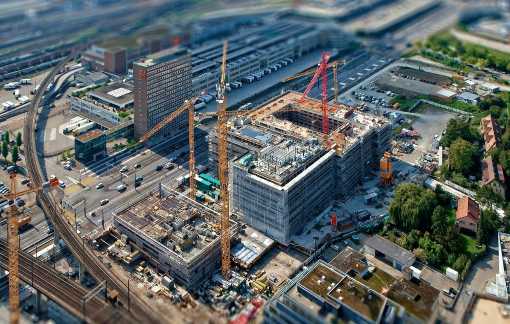
In Mexico City, construction rarely happens under simple conditions. Tight streets, active neighborhoods, limited storage space, changing schedules, and strict safety expectations all place pressure on a project from day one. That is why renting andamios in CDMX is often a more practical decision than buying. It gives builders, remodelers, and property owners the access equipment they need without the long-term burden of ownership. On projects where structural planning also involves diseño de cimbra para losa, the value of well-timed, well-selected temporary equipment becomes even clearer.
1. Renting andamios improves safety on demanding urban job sites
One of the clearest advantages of rental equipment is safety. In a city environment, work often takes place around pedestrians, neighboring properties, existing utilities, parked vehicles, and uneven surfaces. Access systems cannot be improvised. Crews need stable platforms, compatible components, proper bracing, and equipment that arrives in serviceable condition.
When andamios are rented from a reliable provider, the equipment is typically selected for the specific scope of work instead of being pulled from old inventory that may no longer fit the job. That matters for exterior repairs, plastering, painting, façade maintenance, installations, and multi-level work where consistent platform height and secure access are essential. Rental also reduces the temptation to keep using damaged pieces simply because they are already on hand.
Good scaffold rental supports safer execution in several ways:
- Better fit for the task: the system can be chosen according to height, load needs, and work area.
- More complete assemblies: crews are less likely to work around missing frames, braces, or platforms.
- Cleaner project organization: the site stays focused on current needs rather than storing excess materials.
- Less maintenance burden: contractors do not have to manage long-term repair, corrosion control, or piece replacement on their own.
In practical terms, safer access means fewer delays, fewer improvised solutions, and a more controlled work environment from start to finish.
2. Lower upfront cost and greater financial flexibility
Buying scaffold equipment can make sense for companies with constant, predictable use and enough storage capacity to support that investment. For many projects in CDMX, however, rental is the more efficient financial choice. It protects cash flow, avoids tying up capital in equipment that may sit unused, and shifts attention toward what the project actually needs now.
This is especially useful for short-term renovations, residential work, fit-outs, corrective maintenance, and phased construction. Instead of purchasing a large volume of equipment in advance, teams can rent only what they need for the exact duration of the task. If the schedule changes, the rental plan can usually adapt more easily than a purchase decision.
| Factor | Renting Andamios | Buying Andamios |
|---|---|---|
| Initial outlay | Lower upfront commitment | Higher capital investment |
| Storage | Minimal long-term storage needs | Requires dedicated space and control |
| Maintenance | Reduced ownership burden | Owner manages repair and replacement |
| Project changes | Easier to scale up or down | Limited to owned inventory |
| Use frequency | Ideal for variable or temporary demand | More suitable for constant long-term use |
There is also an operational benefit behind the financial one. Renting makes it easier to match equipment to each stage of work, which helps avoid overcommitting funds to materials that do not improve the current phase of the build.
3. Faster execution and smoother coordination, including diseño de cimbra para losa
Construction schedules in CDMX are often shaped by traffic restrictions, delivery windows, weather exposure, labor coordination, and the sequence of multiple trades working in limited space. Rental andamios help keep that sequence moving because equipment can be delivered when needed, configured for the task, and removed once the work is done. That reduces clutter and helps the site stay functional.
This flexibility becomes especially valuable when scaffolding needs to support more than one trade in close succession. A façade crew may need access first, followed by installers, finishers, or inspectors. In structural stages, access planning can also intersect with formwork, shoring, and concrete operations. On projects where these tasks overlap, teams benefit from suppliers that understand how scaffold access relates to diseño de cimbra para losa and other structural workflows so the site remains organized rather than reactive.
It is important to note that andamios and cimbra serve different purposes. Scaffolding provides safe access and work platforms; formwork and shoring support structural elements during construction. But on real job sites, those systems often affect one another. If access routes are poorly planned, crews lose time, material movement becomes harder, and finishes can suffer. When access equipment is rented thoughtfully, several things improve:
- Trade sequencing becomes clearer, because each phase gets the right temporary support at the right moment.
- Site congestion is reduced, since excess equipment is not left occupying valuable space.
- Work quality is easier to protect, especially where elevated finishing or inspection requires stable, repeatable access.
- Schedule recovery is more realistic, because additional units or changes in layout can be addressed without buying new stock.
For contractors balancing structure, access, and finishing in one timeline, that coordination can make a noticeable difference in execution quality.
4. Local rental support matters more than many teams expect
Not all scaffold rental experiences are equal. In a city as complex as Mexico City, local knowledge can be as important as the equipment itself. Delivery timing, neighborhood access, job site constraints, and quick response for extensions or replacements all affect the success of a rental agreement. A supplier that understands the pace and challenges of CDMX can save time in ways that are difficult to measure on paper but easy to feel on site.
This is where a specialized local company can add real value. Fabricantes de Andamios | Andamios Renta en CDMX | Andamios Tlalpan fits naturally into that role by serving projects that require practical access solutions, dependable availability, and familiarity with the realities of construction in the city. The best providers do more than drop off materials; they help clients choose suitable configurations, align delivery with the work program, and reduce avoidable complications.
Before renting, it is worth checking a few essentials:
- Equipment condition: pieces should be complete, compatible, and visibly fit for use.
- Scope alignment: the system should match height, load, and work-area requirements.
- Clear terms: rental periods, extensions, pickup, and responsibility should be easy to understand.
- Operational support: the supplier should be responsive if the job changes.
- Urban logistics: delivery and collection should reflect real access conditions in CDMX.
These points may seem basic, but they strongly influence whether the rental experience feels smooth or disruptive.
Conclusion
Renting andamios in CDMX is not simply a matter of convenience. It is a strategic decision that supports safer work, better cost control, stronger scheduling, and more adaptable project management. For teams dealing with urban restrictions, limited storage, or overlapping structural tasks such as diseño de cimbra para losa, rental offers a cleaner and more efficient way to work. The right provider helps transform temporary access from a recurring problem into a well-managed part of the build. In a city where every square meter and every workday matters, that advantage is hard to overlook.
